
When Faith Stops Fitting
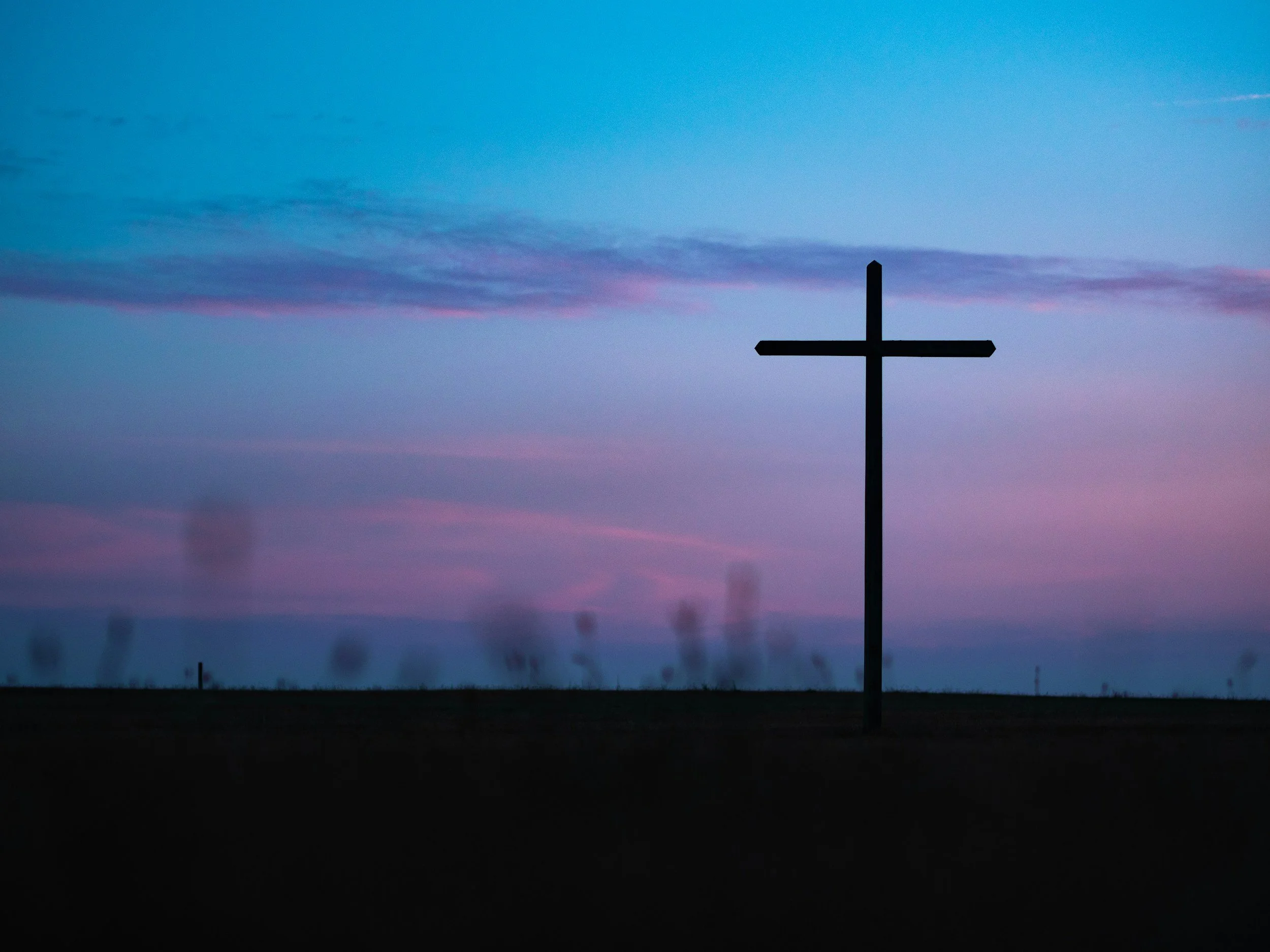
A note before we start: I've lived some version of this story, too. I'm not writing from the outside. I'm writing as a therapist who has done her own deconstruction, who is still defining what faith and spirituality looks like, and who now sits across from people navigating the same terrain. I want you to know that matters to me.
—
There's a particular kind of grief that doesn't have a name yet in most of our cultural vocabulary. It's the grief of outgrowing something you were built inside.
For a lot of millennials (because I am one, so I’ll speak from that perspective) who grew up in conservative Christian spaces, that's exactly what's happening right now. And for many people, the catalyst has been watching certain conservative political movements shift Christian values in ways that feel impossible to reconcile. What do you do when the tradition that shaped you starts actively contradicting the values it claimed to teach?
Love your neighbor. Care for the vulnerable. Pursue justice. These weren't fringe teachings. They were the bedrock. And now, for many people, the same institutions that taught them those things are publicly aligning with positions that feel like the opposite. This isn't just political disagreement. It's a crisis of identity.
In my practice and in broader conversations happening across social media, I'm hearing from people who have stepped away from those political movements specifically because of the internal moral conflict they created. People who loved their faith and found that holding onto both became unsustainable. That's worth naming, because it doesn't get named enough.
What deconstruction actually is
The term “deconstruction” gets used a lot right now, sometimes loosely. In a clinical sense, what I'm describing is the process of examining the belief systems, rules, roles, and identities that were handed to you, often in childhood (and often without your consent), and deciding as an adult what's actually yours.
It is not, at its core, about rejecting faith. For some people it ends there; for others it doesn't. What it always involves is loss. Loss of certainty, loss of community, sometimes loss of family relationships, loss of a system that once made the world feel ordered and safe.
And because it usually doesn't happen all at once, it can feel more like a slow burn than a single explosion. Many of my clients describe years of quiet cognitive dissonance before something finally imploded.
The scars of spiritual trauma
Spiritual trauma isn't just what happens when something overtly harmful occurs in a faith context. It can also develop through the slower accumulation of shame-based theology, conditional belonging, fear-driven obedience, and the suppression of doubt. Many people in deconstruction don't initially recognize what they're carrying as trauma, because it was so normalized, and because the community around them still calls it love.
Some of the ways spiritual trauma might show up:
Chronic anxiety around "getting it right," spiritually, morally, relationally
Deep shame that feels difficult to locate or explain
Difficulty trusting your own body, instincts, or emotions when you've been taught they'll lead you astray
Fear of rejection or “spiritual consequences” when you disagree with authority
A nervous system that's still scanning for danger in ordinary disagreement
These responses make complete sense given the environments that shaped them. The goal of therapy isn't to convince you that your faith community was uniformly bad or that everything you believed was wrong. It's to help you sort through what actually belongs to you and what was placed on you without your choice.
If you want a deeply researched, clinically grounded place to start understanding this, clinical psychologist Hillary McBride's Holy Hurt: Understanding Spiritual Trauma and the Process of Healing is one of the most thorough and compassionate resources available right now. McBride draws on trauma research, expert interviews, and first-person accounts to help readers identify what spiritual trauma actually looks like and what healing can realistically involve. It's the kind of book that makes people put it down and schedule a therapy appointment, which is about the highest compliment I can give a book.
The community question nobody prepares you for
One of the hardest parts of deconstruction that doesn't get talked about enough: the church isn't just a belief system. It's a social ecosystem. It's where your friendships live, where your family still gathers, where the rhythms of your week were organized. When you step back from it, you don't just lose a theology. You lose an entire infrastructure of belonging.
For millennials especially, who are already navigating an epidemic of adult loneliness, this loss is significant. The grief can be isolating in a specific way because the people who would normally help you process a loss like this are often the people you're losing.
Building community outside a faith context is possible. Genuinely. But it requires intentionality that organized religion does automatically, and it requires tolerating a longer season of in-between than most people expect. That's not a reason to rush back to something that's hurting you. It's just an honest acknowledgment that the transition is real work, and you deserve support while you do it.
Deconstruction doesn't have to mean destruction
I want to communicate something carefully here, because it is significant. Examining your faith doesn't mean you have to burn it down. For some people, deconstruction leads to leaving Christianity entirely and finding genuine wholeness there. For others, it leads to a reconstructed faith that actually fits, less institutional, more honest. For others still, it's a long, unresolved holding of both grief and love at the same time.
None of those paths is the wrong one. The point isn't the destination. The point is that you get to do this on your own terms, with your own mind and your own conscience, which is, incidentally, something your faith probably told you mattered.
Grief and hope can exist in the same space. That's not a contradiction. It's just what it looks like to be somewhere in the middle of something that matters.
-Lizzy
————————
If this resonated with you, I'd love to talk.
The Margins is a therapy practice in Wichita, KS focused on helping people navigate exactly these kinds of identity and relational crossroads, including the grief and complexity of deconstructing a faith you were raised in. I work with individuals and offer a space where your doubts don't have to be cleaned up before you walk in the door.
Reach out at themarginstherapy.com or just start by sending a message. Wherever you are in the process, you don't have to figure it out alone.
